

A lot of men chalk it up to getting older. The energy that once carried them through a full day starts running out by early afternoon. The workouts that once felt good start feeling like a grind. Sleep gets worse. The drive to do things quietly fades. It’s easy to write that off as “just life.” But sometimes, it’s hormones.
Testosterone levels in men generally begin falling around 1% per year after age 40. That sounds gradual, but the effects add up. If something has felt off for a while and you can’t point to a clear reason, it might be worth getting checked out at a men’s wellness clinic.
At a Glance
- Testosterone naturally declines with age, but symptoms like fatigue, poor sleep, and low drive can signal levels worth evaluating.
- Blood work is the only way to confirm low testosterone; symptoms alone aren’t enough.
- TRT is physician-supervised and includes labs before, during, and after treatment.
- Men’s wellness programs may pair hormone therapy with vitamin support, hair restoration, and other services.
Signs That Your Hormones Might Be Worth Checking
There’s no single symptom that points directly to low testosterone. It tends to show up across a few areas at once, which is part of why it goes unnoticed for so long. The most common signs men bring to a consultation include:
- Persistent fatigue that doesn’t improve with rest.
- Difficulty building or holding onto muscle.
- Low libido or changes in sexual function.
- Mood shifts like irritability, low motivation, a flat feeling that’s hard to name.
- Brain fog or trouble concentrating.
- Poor sleep quality or waking up unrefreshed.
Thyroid issues, sleep apnea, stress, and other factors can look very similar. That’s exactly why labs matter. Symptoms tell you something is off. Blood work tells you what’s actually going on.
How do I know if my symptoms are worth checking?
If you’ve been dealing with two or more of these consistently for several months and nothing has helped, that’s a good enough reason to talk to a provider.

What the Evaluation Process Actually Looks Like
It starts with a conversation. Your provider will ask about your symptoms, health history, medications, and goals. From there, they’ll order a blood panel.
According to Endocrine Society guidelines, a proper diagnosis requires both symptoms and confirmed low levels on blood work, with samples taken in the morning when testosterone peaks. The core labs include total testosterone, free testosterone, and SHBG. Depending on your history and what’s being considered, the panel may also include estradiol, CBC, PSA, and a comprehensive metabolic panel.
If levels come back low alongside your symptoms, we’ll walk you through your options.
How TRT Works and What to Expect
TRT comes in a few forms: injections (the most common), topical gels, and pellets that release hormones gradually over several months. The right format depends on your levels, lifestyle, and preference.
When prescribed and monitored appropriately, TRT consistently improves energy, sexual desire, lean body mass, bone density, and overall vitality in men with confirmed low testosterone. Most men start noticing changes within a few weeks, with more significant improvements building over the first few months.
Follow-up labs are part of the plan. At three months, we recheck testosterone, free testosterone, SHBG, and estradiol. At six months, hematocrit and PSA are added. This is how we confirm the therapy is working and catch anything that needs adjusting.
What if I want to stop TRT at some point?
Discuss this with your provider before you start. TRT can suppress your body’s own testosterone production over time, so a proper taper or transition plan is part of good clinical care.
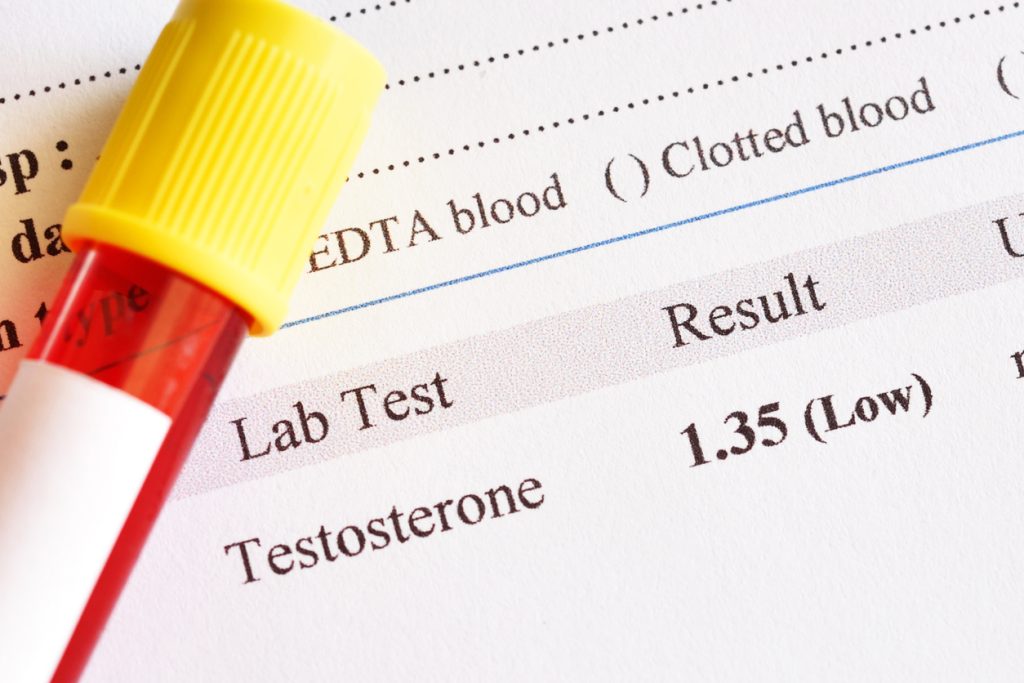
Is Testosterone Therapy Safe?
For men without conditions like prostate cancer or heart failure, TRT is generally considered safe. That’s exactly why providers run thorough evaluations before starting treatment. Contemporary clinical guidelines support TRT when appropriately prescribed and monitored, with no demonstrated increased risk of major cardiovascular events or prostate cancer in men who follow proper protocols.
The most common side effect to watch for is erythrocytosis (an increase in red blood cell count), which is why hematocrit shows up in follow-up labs.
The safety of TRT is closely tied to the quality of oversight. A physician-supervised program with consistent labs is a very different experience from ordering something online without clinical guidance.
Beyond Testosterone: Other Services Worth Knowing About
TRT is often the starting point, but there are lots of options to consider. Tuscaloosa MedSpa’s men’s wellness program pairs hormone therapy with vitamin injections, hair restoration, and other wellness treatments under one roof. You can address energy, appearance, and performance at the same time rather than piece by piece.
FAQ: Men’s Wellness
What is a normal testosterone level for men?
Normal total testosterone generally falls between 300 and 1,000 ng/dL, but numbers alone don’t tell the whole story. Two men with the same level can feel very different. That’s why providers look at free testosterone and SHBG alongside total T, and factor in your symptoms before recommending treatment.
How much does TRT cost, and does insurance cover it?
Cost varies depending on the form of therapy (injections tend to be more affordable than pellets) and whether labs are bundled into your program. Some insurance plans cover TRT when there’s a confirmed diagnosis, but many men pay out of pocket. Your provider can walk you through pricing and options at your consultation.
Can TRT affect fertility?
Yes, it can. Testosterone therapy can suppress sperm production, so men who are considering having children should bring this up before starting treatment. There are alternative protocols that support hormone levels while preserving fertility, and your provider can help you weigh the options.
How long does it take for TRT to work?
Most men notice early changes in energy and mood within a few weeks. Improvements in muscle, body composition, and sexual function typically build over the first three to six months. Consistency matters, and follow-up labs help confirm the therapy is dialed in correctly.
What’s the difference between TRT and testosterone boosters sold online?
Over-the-counter boosters are supplements, not hormone therapy. They are not regulated the same way, and most have limited clinical evidence behind them. TRT is a prescription treatment prescribed after confirmed low levels on bloodwork and monitored by a physician throughout. The two are not comparable in terms of how they work or the oversight involved.
Your Energy and Your Drive Deserve a Real Answer
Feeling tired, foggy, or less like yourself for months isn’t something you should just push through. Low testosterone is a treatable condition, and getting evaluated is a low-stakes first step. You’ll come away with information about what’s happening in your body — and if treatment makes sense, a supervised plan built around your goals.
Get Your Levels Checked at Tuscaloosa’s Men’s Wellness Clinic
Tuscaloosa MedSpa’s men’s wellness program offers physician-guided hormone evaluation, TRT, and complementary services to help you feel like yourself again. Call (205) 553-1500 or book your consultation online. No referral needed.